
Our osteopaths work to better your baby’s health so you can reclaim your peace, sleep and joy; working with you together and parent and child.
Baby and Children’s Osteopath
Your baby is telling you something. We'll help you find out what.
Answers, Not Assumptions
You will leave knowing exactly what is wrong, why it is happening, and what comes next.
A Baby Who Settles
Less crying. Longer sleep. A calmer baby — and a version of normal you had forgotten was possible.
Someone Looking at the Whole Picture
We see the baby and we see you. You do not have to choose between the two.
Confidence in the Decisions You're Making
You will leave understanding your baby’s body better — and trusting your own instincts more than when you arrived.
Most parents reach us after months of no answers
When a baby won’t settle, won’t sleep, won’t feed comfortably — or only seems happy in one position — it rarely shows up clearly on a standard check. GPs are overstretched and the waits for specialist referrals are long. So parents are left managing, guessing, and searching the internet at 2am.
You’ve heard “they’ll grow out of it” or “it just takes time” but time passes and you notice no change in baby or you and you just can’t wait any longer.
The questions that keep you up at night — is this normal, will it get better, am I missing something — deserve a proper answer.
That’s what we’re here for.
Parents often need support and guidance through difficult times.
Babies are central to the a family unit. A happy baby provides joy to their entire support system. It provides me with immense satisfaction to support mothers through one of the most testing times of their life.
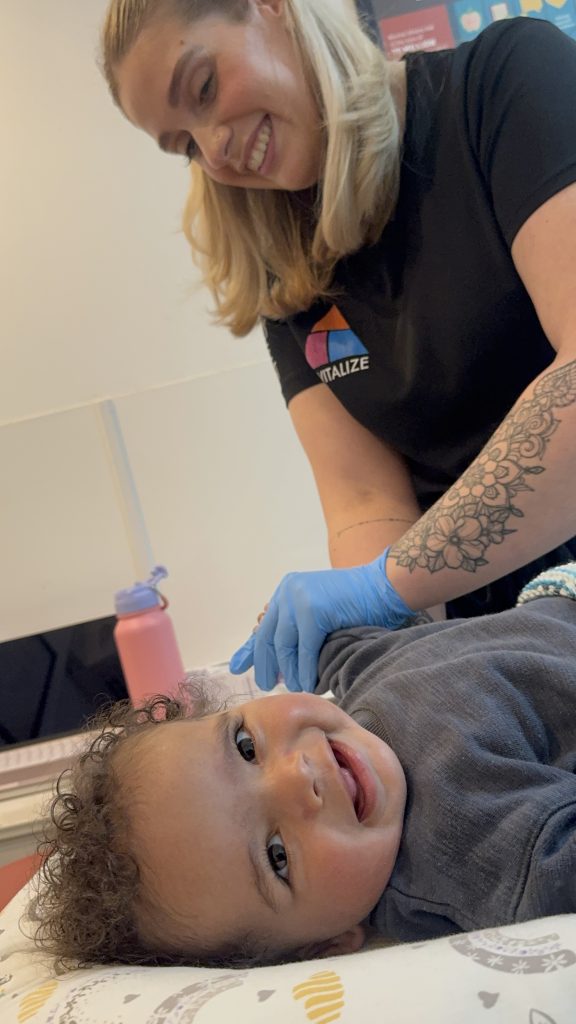
Gentle assessment. Clear answers. A calmer baby.
Paediatric osteopathy uses very gentle, hands-on assessment and specifically applied treatment to identify and address specific tension, restriction, and discomfort that a baby can’t put into words. We look at the whole picture — how your baby moves, feeds, sleeps, and settles — not just the presenting symptom.
You’ll be welcomed into our warm, welcoming clinic, open to the complete spectrum of experiences of being a mum and a baby. Treatment is calm and unhurried. Most babies sleep through it.
Here's what you can expect
A clear explanation of what we find, in plain language
A thorough treatment plan that you understand
Progress you can see — a baby who settles more easily, feeds more comfortably, sleeps longer
Ongoing support, not a one-off appointment
Tongue tie testimonial
Amari’s parents sought Katie’s help with her tongue tie. Within one treatment, Amari was sleeping and latching better.
“When Amari was born she wouldn’t sleep and was struggling to latch. The health visitor suggested tongue tie but nothing was being done about it. Within one treatment, she was sleeping and latching better. I only wish I’d come sooner.”
Happy baby. Happy parents.
By loading this video, you agree to the privacy policy of Youtube.
Does this sound like your baby?
We see babies and children at every stage. Here are some of the most common reasons parents come to us.
My baby cries constantly and I can’t work out why
Your baby is distressed. You’ve tried winding, rocking, feeding, everything — and nothing works for long. Persistent, unexplained crying is exhausting for the whole family and genuinely difficult to live with. We assess how your baby’s body is moving and functioning, looking for the physical reasons behind the unsettledness — and we explain everything we find.
Feeding is painful or my baby can’t latch properly
Whether you’re breastfeeding or bottle feeding, poor latch, clicking during feeding, and slow weight gain are signs that something isn’t right. Tongue tie affects how the tongue moves, which makes feeding hard for your baby and painful for you. We assess function, not just appearance, and work closely with your feeding team if needed.
My baby brings up constantly and seems uncomfortable after every feed
Some positing is normal. But when your baby seems to be in pain, arches away, or is difficult to settle after feeding, it goes beyond typical infant behaviour. We look at the physical factors that can make reflux worse — including tension in the diaphragm and the way your baby’s body is positioned — and work to make feeds more comfortable.
My baby always turns their head to one side or has a flat spot developing
If your baby consistently looks to one side, has a developing flat patch on their head, or seems stiff in their neck, this is worth assessing early. The sooner it’s addressed, the easier it is to treat. We use gentle hands-on work to release the tension and give you exercises to continue at home.
Sometimes there isn’t a specific symptom — just a nagging feeling that something is a little off, or you’d like a thorough developmental check before you see anyone else. That’s a completely valid reason to come. We assess movement, muscle tone, posture, and reflexes and give you a clear, honest picture.
Who you will see
Katie Avery has spent her career doing something the NHS rarely has time for: looking at the whole picture.
She graduated from the European School of Osteopathy in 2022 and went on to complete a postgraduate certificate in specialist paediatric practice — one of relatively few osteopaths in the area with that level of dedicated training in babies and children.
Katie sees babies and children with a wide range of presentations — colic and unsettled babies, tongue tie, reflux, feeding and sleeping difficulties, flat head, and the effects of a difficult birth. She also has experience working with children with more complex diagnoses, including cerebral palsy, FND, autism, and global developmental delay.
If you are not sure whether treatment is right for your child, Katie offers a free phone consultation. There is no commitment — just an honest conversation with someone who will tell you plainly whether she can help.
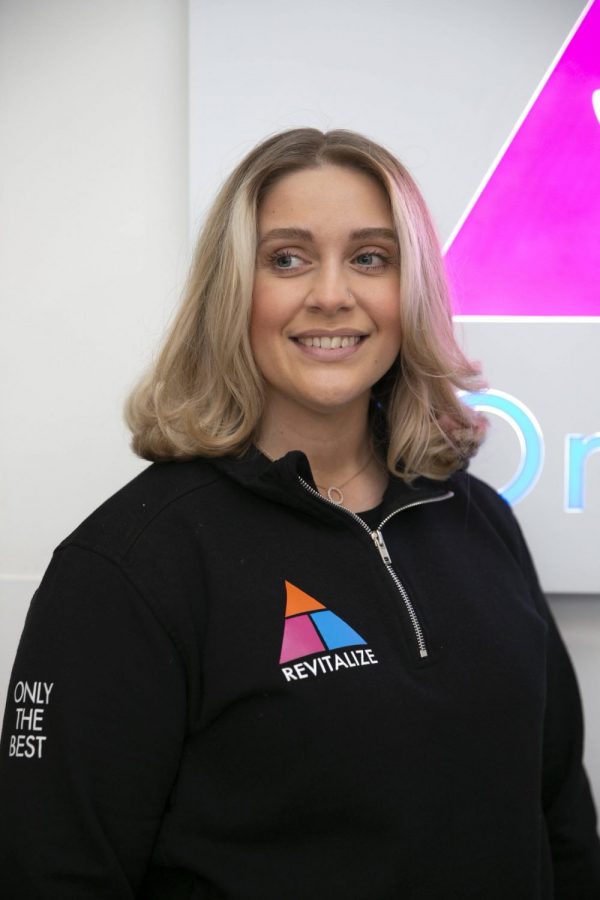
You came for your baby. But how are you doing?
Most mothers who bring a baby to us are also dealing with something of their own — back pain that hasn’t resolved since birth, pelvic discomfort they haven’t mentioned to anyone, fatigue that goes beyond ordinary tiredness. It’s easy to put yourself last when you have a newborn to focus on.
We notice. And we treat the whole family.
Whether it’s postnatal back pain, pelvic floor concerns, birth recovery, or simply feeling like your body hasn’t been your own since delivery — you deserve proper support too. You don’t need a separate appointment to raise it. Just tell us.
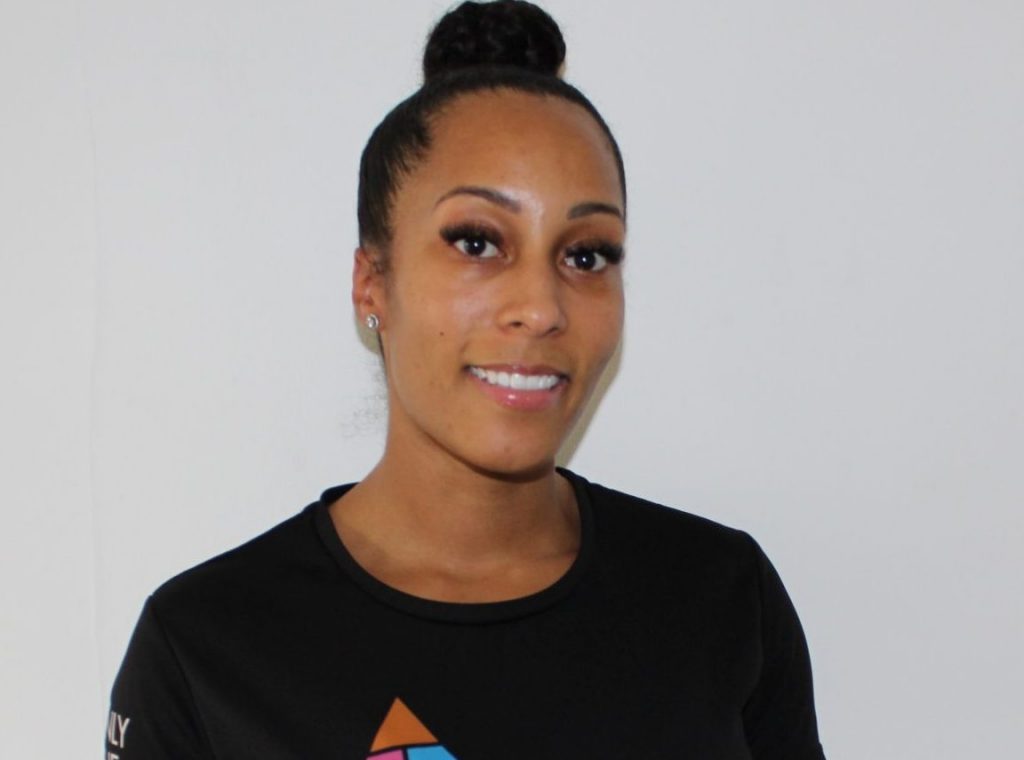
Charmaine Mensah (B.Sc) Senior Physio and Women’s Health specialist
How about a FREE consultation?
Want to improve your health and fitness? Then book in a free consultation today to get started. We see our clients and patients between 6am and 8pm, Monday to Sunday. So click the button below to get started.